Rachel Schmidt, BSW, PLC
Rachel Schmidt, BSW, PLC


Welcome to The Forest Studio and a new way of experiencing your life and the life around you.
There is a deep connection between our bodies and the land we walk on, as if our bones remember the mountains and sea. Before identity took shape through language, we belonged to the rhythms of the natural world. The minerals in our bones come from the earth, and the water in our bodies follows the same cycles as rivers, rain, and oceans. We are not separate from nature—we are part of it.
This is why standing beneath ancient trees can bring calm, why mountains stir something wordless within us, and why the sound of waves feels like a return home. The landscapes around us are reflected within us: stone, water, forest, and season all mirrored in our own bodies and lives.
When we slow down and listen, the land reminds us what we already know—belonging, change, rest, resilience, and renewal. In reconnecting with nature, we reconnect with ourselves, remembering we are part of something ancient, alive, and deeply interconnected.
What this experience feels like.
This is an experience of remembering that your life is not linear, but cyclical, like the natural world itself.
It feels like returning to something in you that knows how to flow with change. You begin to sense that you are not separate from nature, but part of it. The same patterns found in forests, rivers, seasons, and weather are also alive in your life, emotions, and inner knowing. These patterns help you know when to say yes to something, move in the directions that are calling you, reconnect with beauty and goodness, and feel joy and happiness in your body again.
Through time in nature, contemplation, yoga, and creative practices, you begin to notice what is steady, what is shifting, and what is asking to be lived next. At its core, this is a way of living and deciding rooted in awareness, presence, and relationship with the natural world, where your life begins to unfold from within rather than be pushed from without.
Is This Method For You
This work is for women who are ready to move something forward in their lives, who want to understand what’s been keeping them stuck or putting things off, who sense a next chapter emerging but aren’t yet sure what it is, or are looking for deeper meaning in their lives.
Each hour of this work, you’ll step away from your screen to spend time in nature in contemplation, then return to a small group of like-minded women to reflect and share what’s arising.
We’ll draw inspiration from nature, art, poetry, and reflective practice to help you see your life with fresh eyes, and infuse your life with beauty and goodness.
You will leave with a deeper sense of direction and a clearer understanding of your next steps.
Four Interconnected Stages of The Natural Life Design Method
1. The Return

Return to Self
Where have I been?
In this first stage, we begin by reflecting on the landscapes you have moved through in your life, both internal and external. Just as a forest carries the memory of past seasons in its rings and roots, we carry the imprint of the roles we have lived, the paths we have followed, and the environments that have shaped us.
Like terrain gradually shaped by wind, water, and weather, your sense of self has been formed over time through experience, responsibility, and care.
The Work
To gently create space between your essential self and the identities shaped by work, relationships, and responsibility, so you can begin to sense what is steady, alive, and true beneath them.
2. The Quiet
Listening to the Quiet
Where am I now?
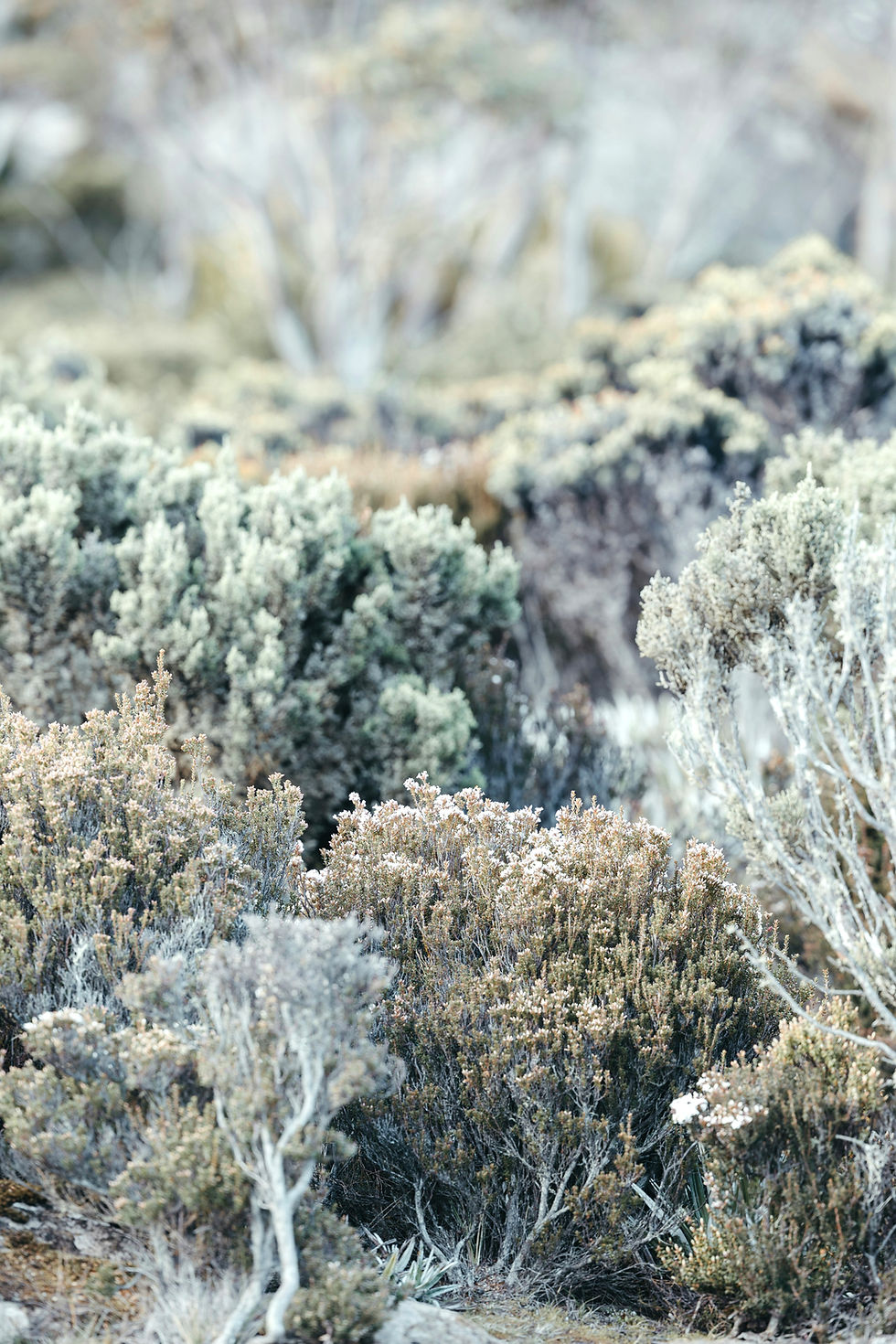
Before anything new can take shape, we begin by looking honestly at the landscape you are standing in right now. In nature, there are times when the forest becomes still, not because nothing is happening, but because so much is happening beneath the surface. This is the kind of space we are learning to notice.
A place between what has been and what is not yet formed. This is where we slow down and begin to tend the forest floor of your life, the layers of experience, change, grief, endings, and renewal that have accumulated over time.
The Work
To move through life transitions such as relationships ending, career shifts, grief, or aging with care and awareness, staying present to the in between space where change is already taking shape.
3. The Unfolding

The Unfolding
How do I want to live moving forward?
Once clarity begins to emerge, we move into shaping what comes next. In nature, there is a moment when buds begin to open, not all at once, but slowly, in response to light, warmth, and timing that cannot be rushed. This stage of the work follows a similar rhythm.
Here, your values, intuition, and lived experience begin to take form in how you actually live each day. Choices begin to shift. Energy begins to reorganize. Life starts to move in a direction that feels more coherent with who you are becoming.
The Work
To shape a daily life that reflects your true self, guided by what feels alive, meaningful, and present each day.
4. The Natural Rhythm

Designing a Natural Rhythm
What is the natural world reflecting back to me?
In this stage, we begin to bring your questions into direct relationship with the natural world. In nature, there is always something speaking back, not in words, but in patterns, movement, stillness, and change. When we spend time paying attention, we start to notice that the land is not separate from our inner experience. It reflects it, softens it, and sometimes brings it into clearer view.
This kind of listening becomes especially important. One that is felt through the body, through presence, and through time spent in relationship with the living world.
The Work
To cultivate a sense of belonging, steadiness, and inner peace by reconnecting with nature and with what is already steady within you, beyond achievement, productivity, or the roles you hold.
How this work may change you
-
See yourself more clearly beyond roles, expectations, and external demands
-
Understand what is ending, emerging, and asking for your attention in this season of life
-
Trust your inner knowing and feel a deeper sense of direction
-
Make decisions from a place of presence, alignment, and embodied wisdom
-
Feel more grounded, connected, and at home within yourself
-
Reconnect with beauty, meaning, and what brings you joy
-
Develop simple nature-based practices to support clarity and resilience
-
Strengthen your relationship with the natural world as a guide for living and change
Check out our gallery showcasing some of the creative reflections of women who are walking the land and aligning their lives with the natural world.
Note from Rachel
Rachel Schmidt, BSW, PLC
%20(Landscape))%20-%2059_edited.jpg)
Hello, I'm Rachel. I'm so glad you've found your way here.
Perhaps you are in a season of change. Something no longer fits, yet what comes next is not fully clear. You may be longing for more meaning, more beauty, more ease, or simply a deeper connection to yourself and the life that is calling you.
I created The Forest Studio as a quiet, reflective space for women navigating these moments. A place to slow down, listen deeply, and reconnect with what matters most.
My work is rooted in over 30 years of experience in social work, contemplative arts, nature-based mindfulness, and Psychosynthesis. More importantly, it is shaped by my own seasons of change. In my 50s, I have navigated an empty nest, caring for aging parents, deep grief, and the gradual release of a career identity I had simply outgrown. I know what it is to stand in the middle of life and not fully know what is next.
I am also a mother, artist, activist, and soon-to-be yoga teacher. Again and again, I have witnessed how art, presence, and the natural world help us find our way back to ourselves. They soften us. They steady us. They help us hear what is true beneath the noise.
If something here resonates with you, I invite you to stay awhile. You may be closer to your next step than you think.
